A property developer working on a £3M new build in Surrey sits down with their M&E consultant to finalise the electrical package. The question of home automation comes up. The developer knows buyers in this bracket expect some form of control system in the finished home, but the specifics are harder to pin down.
What gets included? How much wiring infrastructure goes in at first fix? Which rooms get keypads, and how many? At what point does the spec start adding cost without adding value?
These are the questions a home automation consultancy answers, and they are the reason most premium developers benefit from bringing specialist input into the specification stage rather than treating automation as an afterthought to the electrical package.
What home automation consultancy covers
Home automation consultancy is specialist input at the specification stage of a build. It sits alongside the architect, the M&E consultant, and the developer's own commercial team, focused specifically on the connected home elements of the project: lighting control, heating and cooling, blinds, security, audio infrastructure, and the way they all integrate.
The consultancy is not about installation. The installer comes later, usually as part of the standard electrical package. The consultancy is about deciding what gets specified, at what depth, in which rooms, and why.
For a developer working at the premium end of the market, this matters. The difference between a £3M home with a thoughtful, well-specified system and one with a poorly briefed one runs into tens of thousands of pounds in build cost and shows up again in the resale conversation.
Why developers benefit from specialist input
Most developers do not specify home automation often enough to build deep expertise in it. A typical premium scheme might come around once every 18 to 24 months. The market shifts in that time, and so do buyer expectations.
A consultancy bridges that gap. It brings live knowledge of what is currently being specified across comparable schemes, which protocols are stable enough to back, and where the cost-to-value line sits at different price points.
The other gap it fills is between the M&E consultant and the end user. M&E consultants are excellent on the engineering side. They size loads, design distribution, and handle compliance. They are not typically tasked with thinking about how a buyer will use the keypad in their principal bedroom on a Tuesday morning. A consultancy is.
Knowing what buyers expect in your price bracket
Buyer expectations are not uniform. A buyer purchasing a £900,000 new build in the home counties expects a different specification from a buyer purchasing a £5M townhouse in central London.
At the lower end of the premium market, buyers expect lighting scenes, multi-zone heating control, and a central touchscreen or app interface. Anything beyond that risks being read as a cost loaded onto the price rather than a feature of the home.
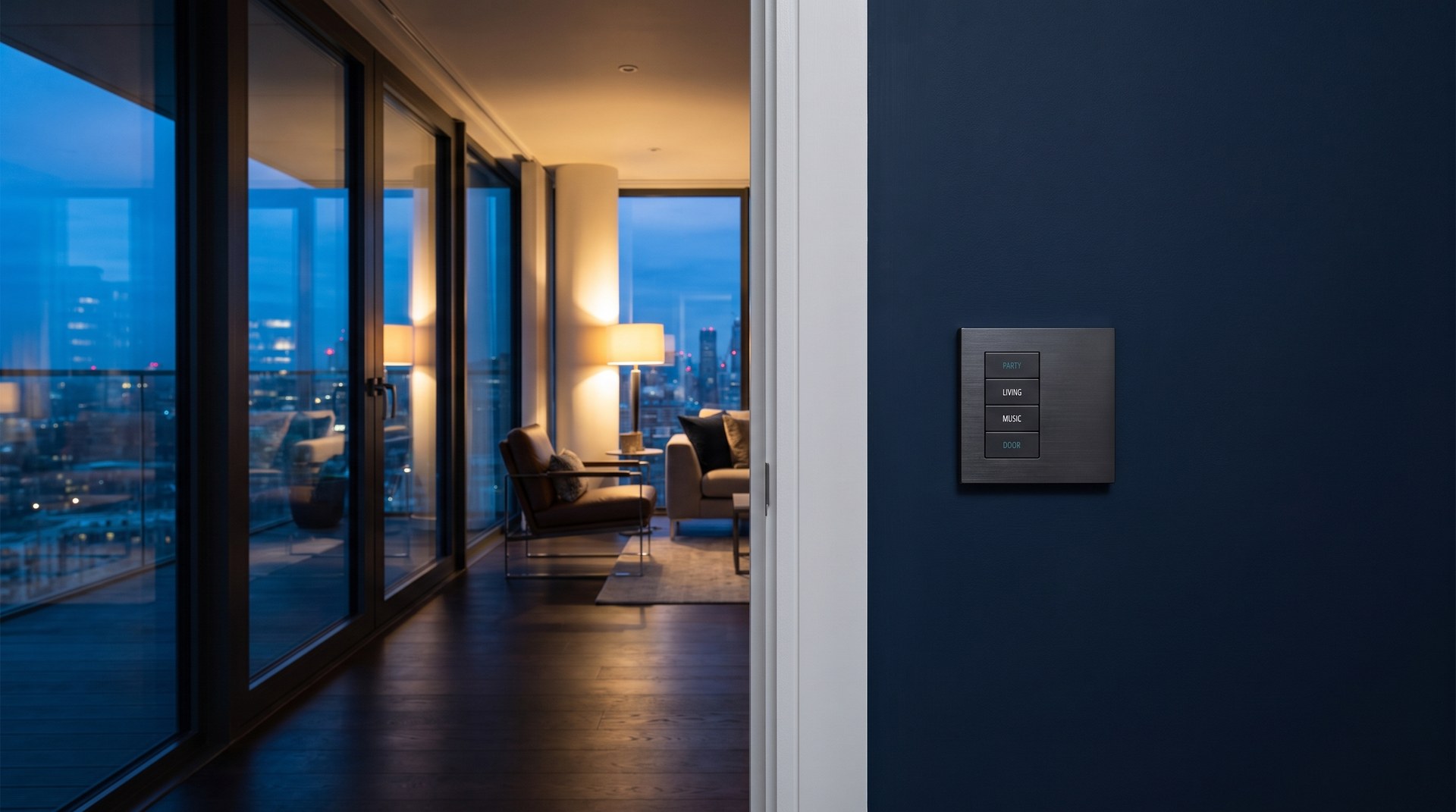
At the upper end, buyers expect integrated control of lighting, climate, shading, security, AV, and access. They expect the system to be installed cleanly, with discreet keypads and no visible clutter of devices. They are far less tolerant of WiFi-dependent solutions or systems that require a specialist callout to change a scene.
A consultancy maps the specification to the bracket. It stops the developer over-investing on a £900,000 scheme and under-investing on a £5M one. This is one of the most useful conversations to have when specifying home automation for property developers at the start of a scheme.
Matching the level of control to the property
The level of control varies room by room, not just property by property.
In a principal bedroom, buyers typically expect a bedside keypad that controls main lighting, bedside lamps, blinds or curtains, and room temperature. In a guest bedroom on the same scheme, the same depth of control is usually wasted. A simpler keypad, or in some cases a standard switch, is fine.
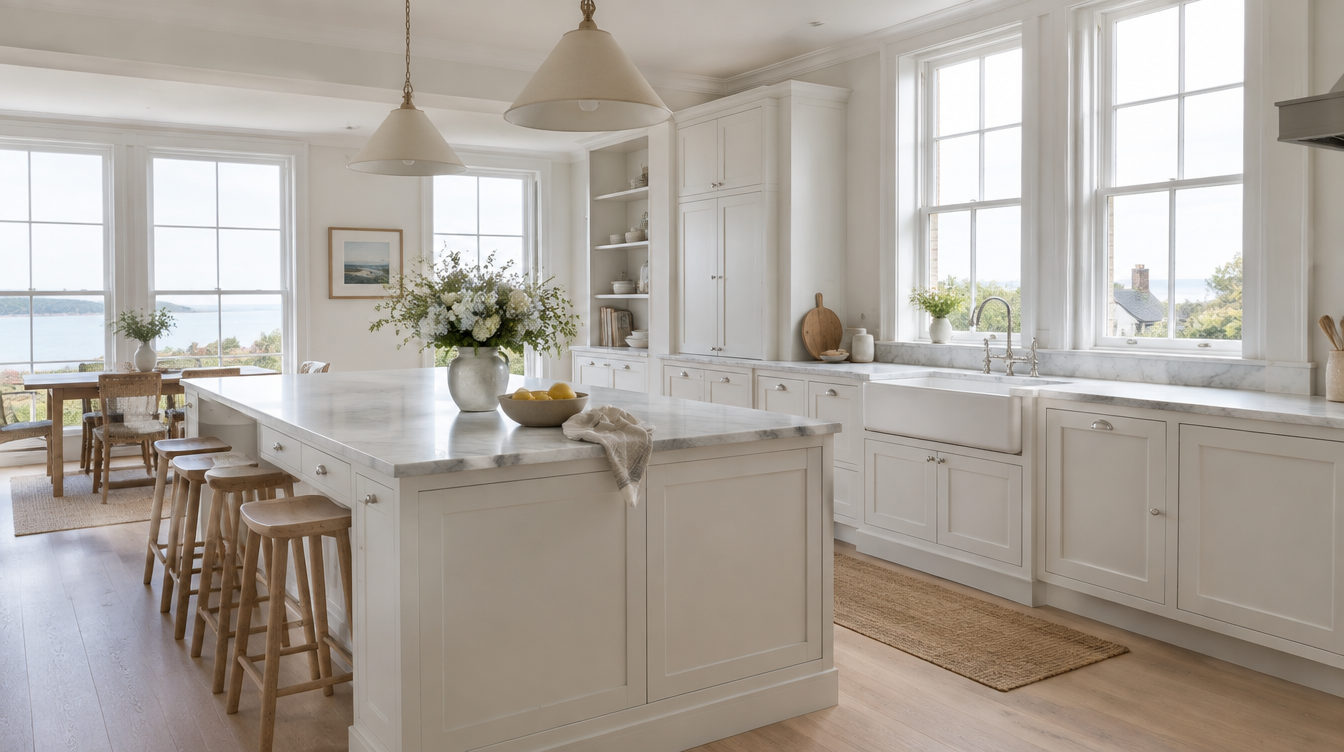
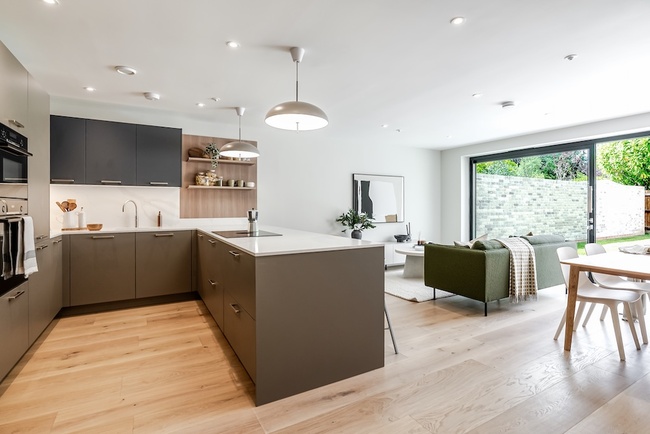
Kitchens and living spaces often warrant the most depth: scene control across multiple lighting circuits, integration with underfloor heating zones, and tie-ins to audio. Utility rooms, plant rooms, and WCs need very little.
Getting this right means the buyer experiences the system as well-judged. They notice the depth of control where they use it most, and they do not notice the absence of redundant control elsewhere.
Avoiding over-specification and dead spend
The most common mistake on developer schemes is uniform specification across rooms. A keypad in every room, the same scene set in every space, the same level of zoning regardless of use. It looks comprehensive on paper. In practice, it inflates the build cost without changing the experience of the home.
A consultancy strips this back. It identifies where control adds value, where standard wiring is sufficient, and where infrastructure should be installed but left dormant until a buyer chooses to activate it.
Hardwired, pre-configured home automation systems make this approach practical. The infrastructure goes in at first fix, the modules are pre-configured for the rooms that need them, and the system can be expanded later without reopening chases or rewiring.
When to engage a consultancy in the build programme
The right point to bring a consultancy in is RIBA Stage 3, alongside the M&E design. Engaging earlier than this is usually too speculative, with too many architectural variables still in motion. Engaging later means first fix wiring is already being committed and the options narrow quickly.
By Stage 4, the consultancy output should be a defined specification: which rooms get what level of control, what wiring infrastructure is required, what modules sit in the panel, and how the system is commissioned at handover. This goes into the M&E package and is priced into the build cost from the start.
Bringing the consultancy in at the right time also avoids the most expensive failure mode on automation projects: late additions during second fix, where chases have to be reopened or surface-mounted compromises accepted.
What good consultancy delivers
A useful home automation consultancy output is concrete. It tells the developer:
- Which rooms have which control elements, listed by location and function.
- What wiring infrastructure is required at first fix, including cable types, drop counts, and panel space.
- Which modules and devices are specified, with a clear bill of materials.
- How the system is commissioned and handed over to the buyer.
- What the buyer can change themselves after handover, and what would require a return visit.
That last point is often underweighted. A buyer who has paid £3M for a home does not want to call a specialist back to add a new lighting scene. Specifying a system the buyer can customise without help is part of the consultancy's job, not a separate post-handover service.
Maple Barn, a four-bedroom new build by Kaybee Developments, is an example of this in practice. The system manages multi-zone underfloor heating, electric underfloor heating in ensuites, towel rails, lighting, blinds, and security, with scenes for goodbye, goodnight, welcome, and good morning. The homeowner adjusts scenes themselves through the app or the multi-functional keypads in each room, without needing a callback to the integrator.
For developers working on premium and ultra-prime schemes, home automation consultancy is one of the cheaper line items in a build programme and one of the higher leverage ones. A well-specified system, matched to the price bracket and to how buyers actually live in the home, supports the asking price at sale and removes a category of post-handover calls that otherwise lands on the developer's after-sales team.
The practical next step is to identify the next scheme where automation is on the table, and to bring consultancy input in alongside the M&E design at RIBA Stage 3. That gives enough lead time for the specification to be priced into the build, the wiring infrastructure to be set out at first fix, and the system to be commissioned cleanly at handover.
More Insights