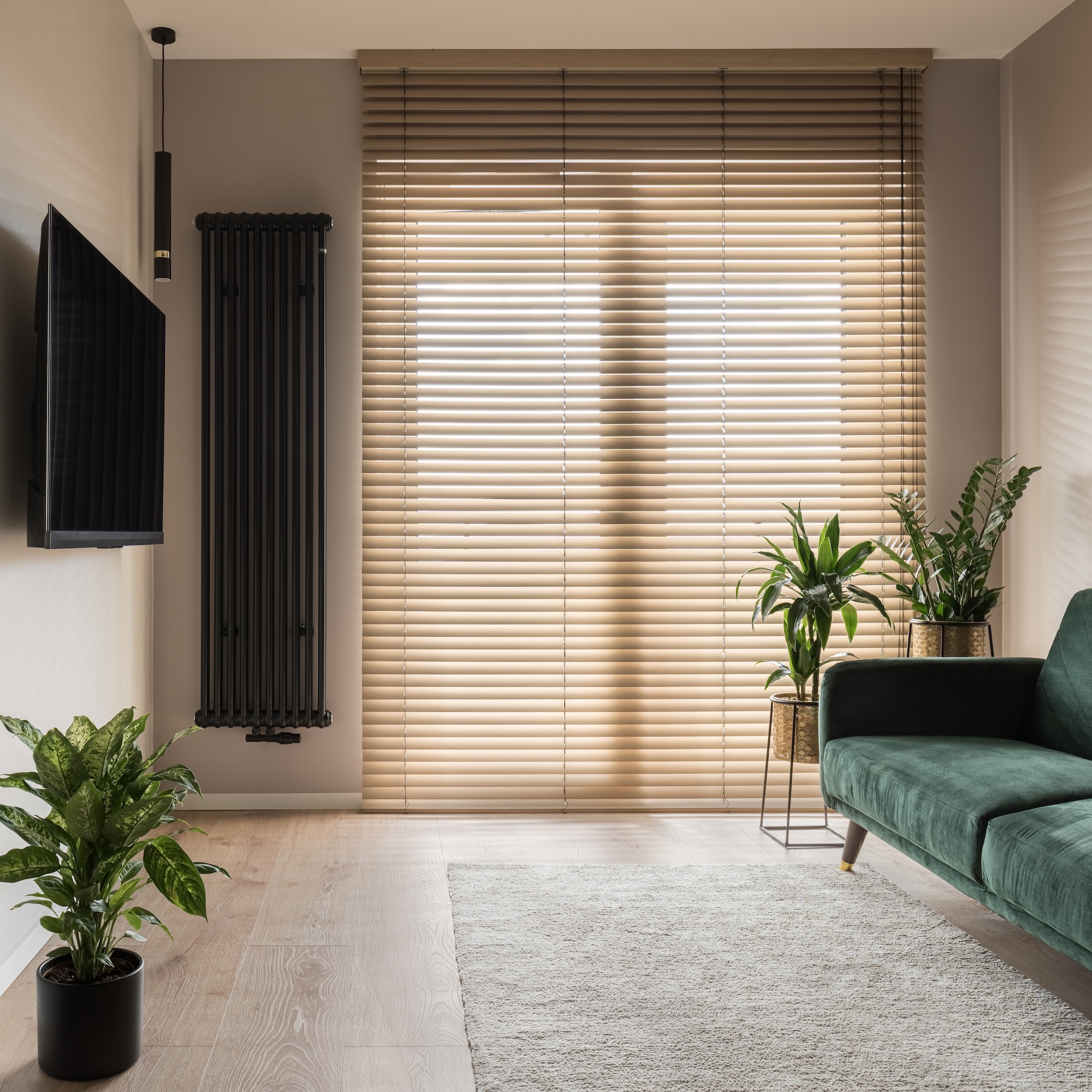
On a summer afternoon, the west side of a house takes the full force of the low sun. Rooms heat up quickly. Furniture, flooring, and artwork are exposed to hours of direct sunlight. By the time anyone thinks to close the blinds, the damage to comfort and to the contents is already done.
With Baulogic Smart Events, your home handles this for you. A single automation can close the shades on specific windows at a set time before sunset, based on the time of year and the direction the windows face. No one needs to be home. No one needs to remember. The house simply manages solar gain as part of its daily routine.
Here's how it works, and why automated shading is one of the most practical Smart Events a homeowner can set up.
The Smart Event: solar gain shading
A typical solar gain Smart Event uses Baulogic's WHEN / AND / THEN structure like this:
WHEN a set number of minutes before sunset is reached (for example, 2 hours before sunset)
AND it's between specific months (for example, April to September)
THEN set the shade group on the west-facing windows to closed
What makes this particularly effective is Baulogic's solar awareness. The system tracks sunrise and sunset times automatically, adjusting throughout the year. You don't set a fixed clock time that becomes wrong within a few weeks. You set a relative time that stays accurate as the seasons change.
The AND condition adds seasonal context. You might only want this event to run during the warmer months, or only on days when the sun is strong enough to cause discomfort. By layering conditions, the automation becomes precise rather than blunt.
Why solar gain matters more than people think
Solar gain is one of the most underestimated factors in home comfort. In a well-insulated new build, exactly the kind of property Baulogic is designed for, large windows and high thermal performance mean that heat from direct sunlight builds up quickly and dissipates slowly.
The result is rooms that overheat on summer afternoons and evenings, even when the outdoor temperature isn't particularly high. South and west-facing rooms are most affected, especially those with large glazed areas.
The conventional response is to retrofit external shading, install air conditioning, or simply accept the discomfort. Each of these is either expensive, energy-intensive, or both.
Automated shading through Smart Events offers a simpler approach. By closing blinds or curtains before the sun reaches its most intense angle on a given elevation, you reduce the heat entering the room in the first place. Prevention rather than cure.
Configuring shading for different elevations
A home rarely has one shading need. The east side of the house gets morning sun, the south side gets midday sun, and the west side gets the strongest afternoon and evening exposure. Each elevation benefits from different timing.
With Baulogic Smart Events, you can create separate events for each side of the house:
East-facing windows: Close shades a set time after sunrise to block morning glare, then reopen later in the day when the sun has moved on.
South-facing windows: Close shades around midday during peak summer months, particularly in rooms with large glazed areas.
West-facing windows: Close shades one to two hours before sunset to catch the low, intense afternoon sun before it heats the room.
Each of these is a separate Smart Event, tailored to the orientation and use of the room. A bedroom on the east side might benefit from early morning shading for sleep quality, while a living room on the west side needs late afternoon protection for comfort and furniture preservation.
Beyond comfort: protecting your interiors
Solar gain isn't just about temperature. Prolonged UV exposure fades fabrics, damages wooden floors, and degrades artwork. In a premium new build with carefully chosen finishes, this is a real concern.
Automated shading protects these investments without the homeowner needing to manage it daily. The blinds close when they need to, the interiors are shielded, and everything reopens when the risk passes. It's one of those benefits that compounds over years, the kind of quiet, background value that built-in technology delivers particularly well.
Adding brightness sensors for precision
If your Baulogic system includes brightness sensors, you can make solar gain Smart Events even more responsive. Instead of relying solely on time-based triggers, you can set a brightness threshold as a condition:
WHEN 2 hours before sunset
AND brightness in the room is above a certain lux level
THEN close the west-facing shades
This means on overcast days, when the sun isn't strong enough to cause a problem, the shades stay open and natural light floods the room. The automation only activates when it's genuinely needed. It's a good example of how the modular nature of Baulogic allows homeowners to build more sophisticated automations as their system grows.
Setting it up yourself
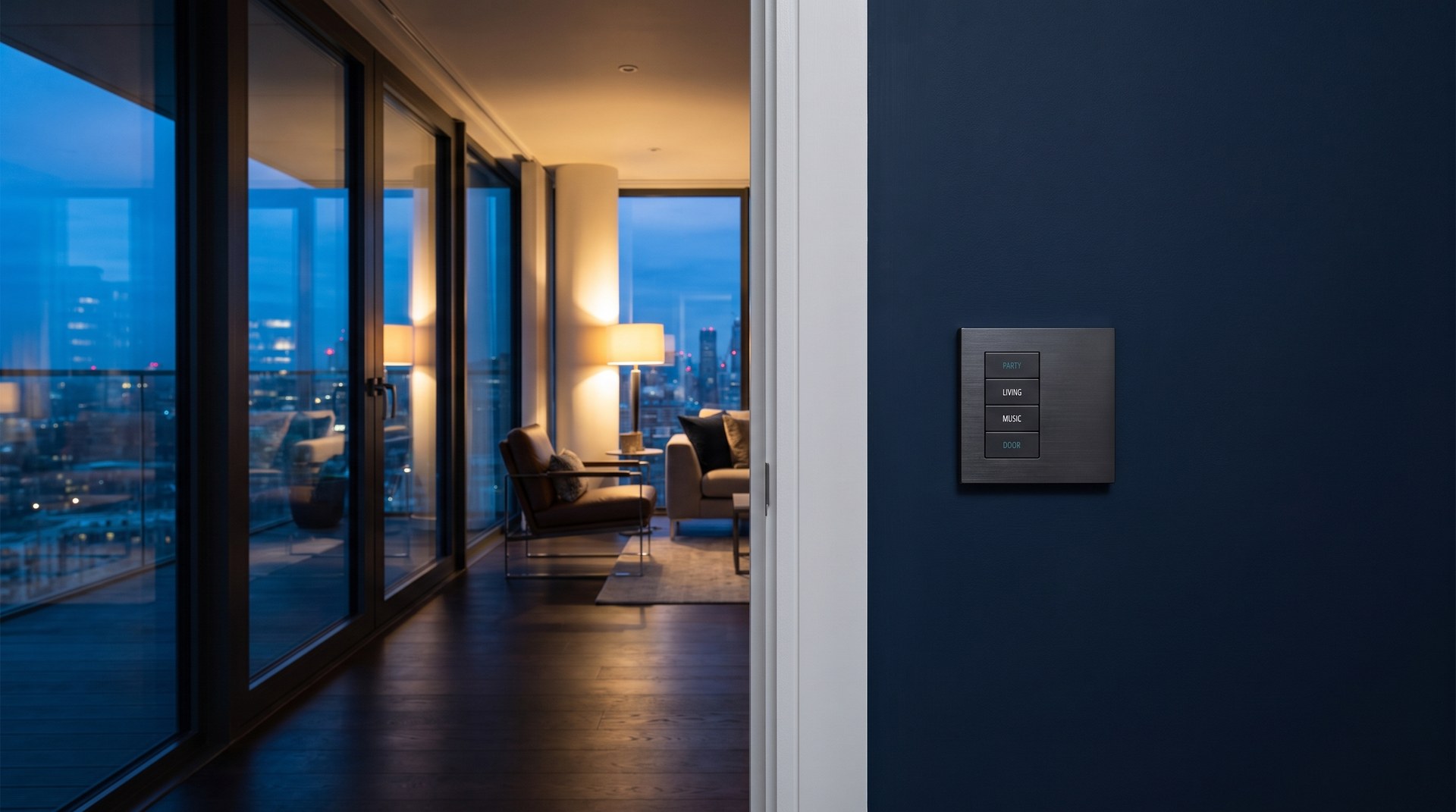
As with all Baulogic Smart Events, creating and editing solar gain automations is something you do yourself. Open the Smart Events menu from My Settings on your touch panel or app, select the trigger (solar time), add any conditions (season, brightness), choose the action (set shade group to closed), and save.
If you add new blinds to a room, or want to change the timing as you learn how your home behaves through the seasons, you adjust the event in seconds. No integrator visit, no service contract, no waiting for someone else to make the change.
Automated solar gain shading is one of the most practical and energy-efficient Smart Events you can set up in a Baulogic home. It keeps rooms comfortable, protects furnishings, and reduces the need for mechanical cooling, all by closing blinds at the right time, on the right windows, without anyone lifting a finger.
It's a small example of a bigger principle: when your home's technology is built in and configured around your environment, it works quietly to make everyday living better.
To discuss how automated shading and Smart Events can be configured for your build, speak with the Baulogic team or explore our frequently asked questions.
More Insights