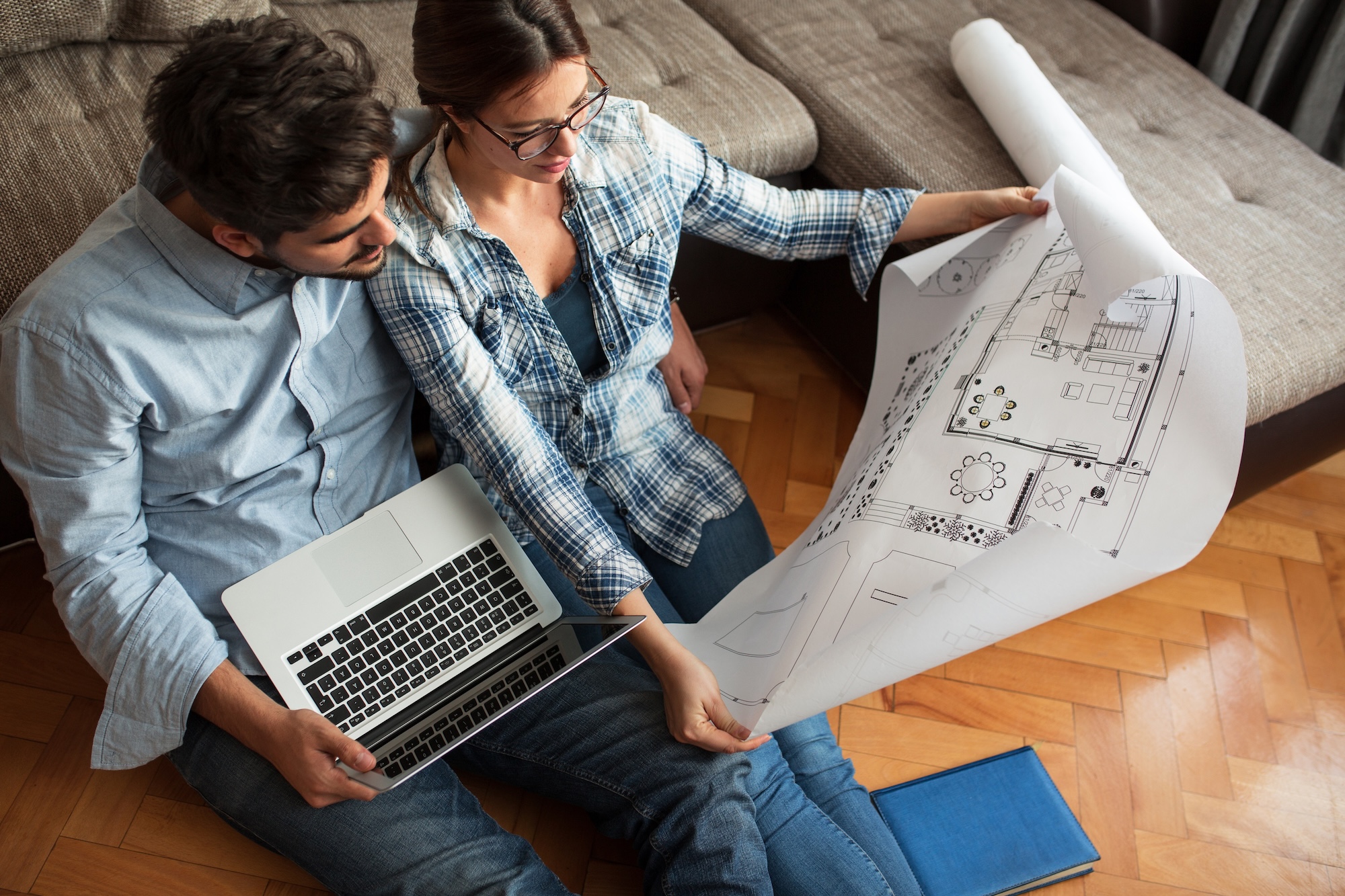
Most self-builders spend a great deal of time thinking about floor plans, kitchen layouts, and exterior finishes. Very few give the same level of thought to their smart home infrastructure, at least not until it is too late to do anything about it without significant cost.
Home automation is one of those systems that must be planned in two distinct stages: first fix and second fix. These are established construction phases, and each one has specific tasks that must be completed if your finished home is going to work the way you want it to. Get the timing right, and your smart home installation goes in smoothly. Leave it too late, and you will be looking at expensive remedial work through finished walls.
What Is First Fix?
First fix refers to the work carried out after the structural elements of a building are complete but before the walls are plastered or boarded. This is the stage at which cables, pipes, and conduits are run through the fabric of the building. Once first fix is done and the walls are closed in, accessing those areas becomes extremely difficult and costly.
For home automation, first fix is the most critical phase of the entire installation. It is when the infrastructure is laid: the cables, the conduits, and the back boxes that will eventually support every smart device in your home.
What Home Automation Work Happens at First Fix?
A properly planned home automation first fix will typically include the following:
- Cat6 or Cat6A cabling: This forms the network backbone of your smart home. Every room should have at least two network drops, and high-use areas such as living rooms and home offices should have more. This cabling supports everything from smart TVs and speakers to security cameras and control keypads.
- Speaker cable: If you want built-in audio, 4-core speaker cable should be run from a central amplifier location to each room or zone where you plan to install in-ceiling or in-wall speakers.
- HDMI cabling: Where you intend to have a display driven by an AV source located elsewhere in the home, HDMI cables should be run between those points during first fix.
- Security camera cabling: Whether you are using IP cameras on Cat6 or analogue cameras on coaxial cable, the runs need to go in at this stage.
- Doorbell and entry system cabling: Video doorbells, intercom systems, and door entry panels all require specific cabling run back to a central point.
- Conduit: Running conduit alongside key cable routes provides a pathway for future upgrades. Technology changes, and a well-placed conduit can save significant expense years down the line.
What Is Second Fix?
Second fix takes place after plastering is complete and decorating is underway. It is when all fixtures and fittings are installed: sockets, switches, light fittings, and in the context of home automation, the devices and control points that your first-fix infrastructure has been waiting to support.
At this stage, the infrastructure is already in place. Second fix is simply about fitting the technology to it.
What Home Automation Work Happens at Second Fix?
A typical home automation second fix includes:
- Network switch and comms cabinet build-out: The central rack or cabinet is assembled, with network switches connecting all the Cat6 runs from around the home.
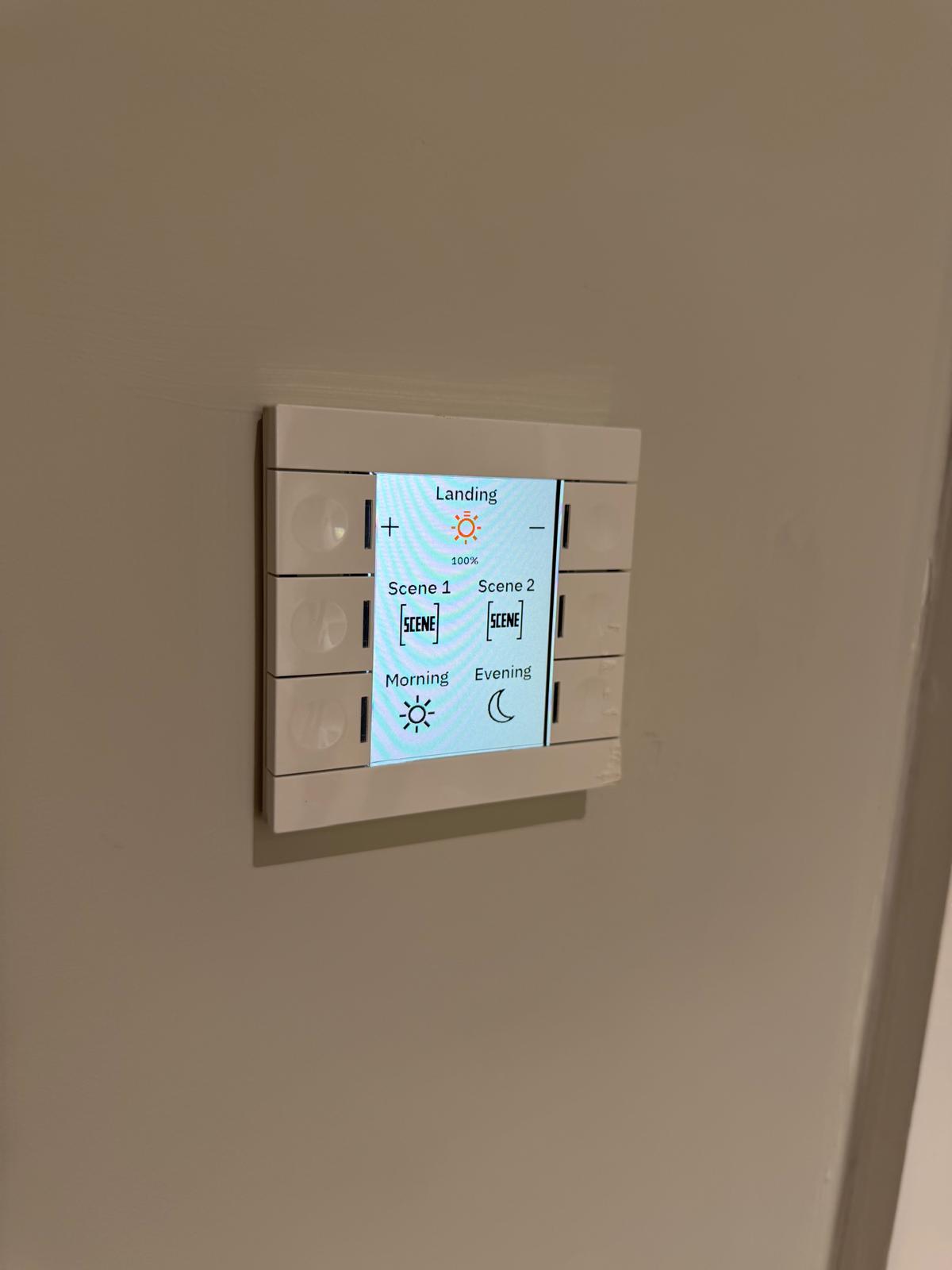
- Control keypads and touch panels: These are connected to the cabling installed at first fix and allow occupants to manage lighting, heating, audio, and security from a single interface.
- In-ceiling and in-wall speakers: Fitted into pre-cut holes and connected to the speaker cable runs.
- Smart lighting controls: Dimmers, scene controllers, and smart switches are fitted to the back boxes installed at first fix.
- CCTV cameras and video doorbell: Cameras are mounted in their final positions and connected to the cabling already run to each location.
- System commissioning: Once all devices are fitted, the system is configured, programmed, and tested to ensure everything operates as intended.
Why You Cannot Leave It Until Later
The most expensive mistake a self-builder can make with home automation is treating it as something to sort out once they have moved in. By that point, every cable route is behind a finished surface. Chasing cables through plasterboard, brick, or block walls after decoration is complete is disruptive, unsightly, and costly.
Even if you are not certain which system you want at the time of first fix, running cables costs very little relative to the overall build cost. The materials are inexpensive. The time on-site is built into the programme anyway. Leaving the cables out and making the decision later will cost far more: not just in materials, but in redecoration, replastering, and the disruption of working in a finished home.
The Most Common Mistakes Self-Builders Make
Based on experience working with self-builders at every stage of construction, the same mistakes appear time and again:
- Not consulting an automation specialist before first fix: Many self-builders rely on their electrician to specify the cabling, but unless that electrician has home automation experience, critical runs are often missed.
- Underestimating the number of network drops needed: Two Cat6 drops per room is a minimum. Running short here is one of the hardest and most expensive things to correct after the fact.
- Not planning the comms cabinet location: Every cable in the home needs to terminate somewhere. Planning the location of your central comms cabinet early is essential for a tidy, functional installation.
- Forgetting about outdoor and outbuilding runs: Garden lighting, external cameras, gate automation, and outbuilding connectivity all need cabling planned and installed during the build.
How Baulogic Supports You Through Both Stages
At Baulogic, we work with self-builders from the very beginning of their project, well before first fix begins. Our process starts with a consultation to understand the intended layout of your home, your lifestyle, and what you want your smart home to do. From that, we produce a detailed cable schedule: a document that tells your electrician exactly what cable to run, where to run it, and where it should terminate.
This takes the guesswork out of the process for your build team and ensures that when second fix arrives, everything is exactly where it needs to be. There are no expensive surprises, no missed runs, and no need to compromise on what your home can do.
Home automation is not a technology you bolt on at the end of a build. It is a layer of infrastructure that needs to be planned before the groundworks begin and executed precisely at each stage of construction. The good news is that, with the right guidance, it is entirely straightforward.
If you are at the planning stage of your self-build, now is the right time to speak to Baulogic. We will walk you through exactly what is needed, provide your build team with a clear cable schedule, and ensure your home is ready for a smart home system that works properly from day one. Get in touch to book your free consultation.
More Insights